브랜드에 흥미나 호감이 있는데, 매장에 걸린 옷이나 장신구 하나하나를 보면 소위 짜게 식는 경우가 있다. 매장에 들어가서 (혹은 온라인으로) 사는 것은 결국 물건 하나이지만, 감정이 섞일 수밖에 없는 영역의 물건이란 결국 그 뒤에 스며든 모호하고 흐릿한 이미지를 함께 사는 것이다. 대체로 브랜드들은 강력하고 명확한 이미지를 만들기 위하여 과거를 끌어 당기고, 블록버스터 같은 행사와 런웨이를 펼치고, 매장의 고급화를 지휘하기도 한다. 혹은 그 반대로 무척 날카롭고 선명한 취향을 담아내기도 하고.
문득 그런 생각이 들었다.
분노나 자유를 브랜드를 지속하는 힘이라고 표현한 레이 가와쿠보 Rei Kawakubo에 경의에 가까운 존경을 느끼면서, 매일 드는 꼼데가르송 옴므 플러스 COMME des GARÇONS HOMME Plus의 검정 배낭에 꼭 그러한 기운이 서려 있다고 느껴지지는 않는다.
무언가 창작하고 확장하고, 또 문자 그대로 (망하거나 닫지 않고) 지속 가능하게 되는 모든 현대 문물은 끊임없이 물건 이면의 이미지를 주입한다. ‘좋아한다’라든지 ‘취향’으로 부르는 것들조차 어떤 면에선 자발적인 교육의 산물이다. 예술이든, 소설이든, 옷이든, 의자 하나까지도 그래서 대체로 모든 창작의 영역에는 굳이 ‘마케팅’이라는 단어보다는 ‘세계관’을 만드는 일련의 노력이 깃들어 있다.
마케팅은 단기간에 이미지를 만들고 폭발적으로 무언가를 알릴 수 있지만, 세계관이라 함은 그보다 느린 걸음으로, 실제로 어느 정도 단단한 시간이 쌓여야 가능한 일이다. 그러한 것들이 지닌 양면적인 — 혹은 다면적인 — 것들에 때로는 환멸 비슷한 걸 느끼기도 한다. 그러나 가끔은 그러한 세상을 만들어 가는 온갖 사람들이나 브랜드 덕분에 세상이 조금은 더 재미있어지지 않나 싶다. 좋은 걸 좋아한다고 말하는 (거의) 모든 이유란 그래서 어쩐지 살아 있는 생물과도 같다.
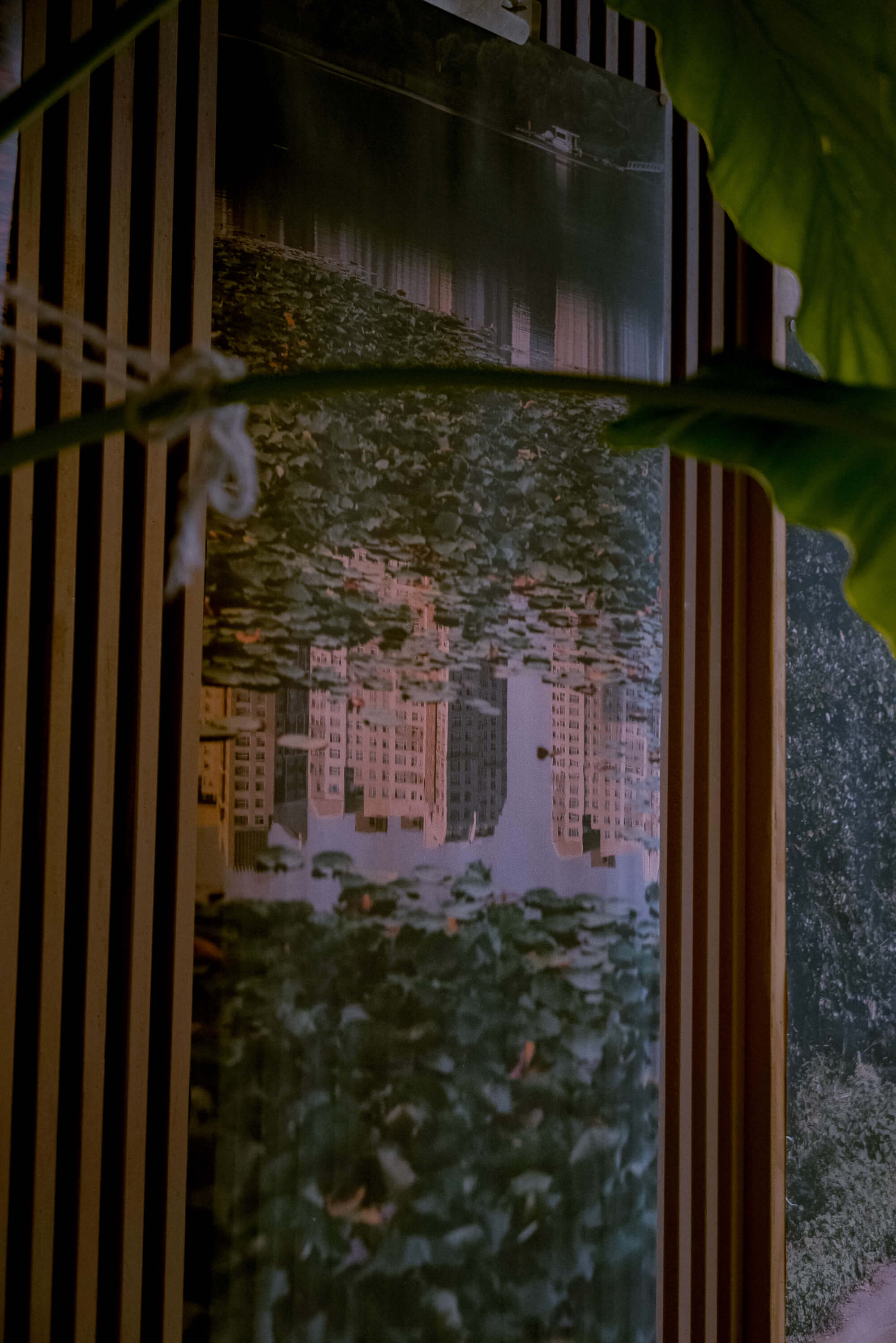
Almost Every Reason for Saying You Like Something Good
There are times when I find myself interested in or drawn to a brand, only to have that feeling cool rather sharply when I look, one by one, at the clothes or accessories hanging in the store. What we end up buying in a store — or online — is, after all, a single object. But objects that belong to a realm where emotion inevitably enters are never only that. In the end, we also buy the vague, blurred image that has seeped into them. Most brands pull the past toward themselves in order to build a strong and legible image. They stage blockbuster-like events and runways, direct the luxury of their retail spaces, or, in the opposite direction, distill an especially sharp and unmistakable taste.
A thought occurred to me.
I feel something close to reverence for Rei Kawakubo, who once described anger or freedom as the force that sustains a brand, but I do not necessarily feel that kind of charge lingering in the black Comme des Garçons Homme Plus backpack I carry every day.
Anything in the modern world that is created, expanded, and then made, in the literal sense, sustainably ongoing — without collapsing or closing — continuously feeds us images behind the object. Even the things we call liking or taste are, in some sense, the product of a voluntary education. Whether it is art, fiction, clothing, or even a single chair, almost every field of creation holds within it, less than “marketing” in the narrow sense, a long effort to build what people now call a world.
Marketing can create an image quickly and broadcast it explosively, but a world is slower. It requires time, and a certain density of time, before it can become real. At times I feel something close to disillusionment toward the double-sided — or many-sided — nature of such things. And yet, every so often, I think perhaps the world is made a little more interesting by the many people and brands who go on building such worlds. That may be almost every reason for saying you like something good. For some reason, it feels like a living creature.